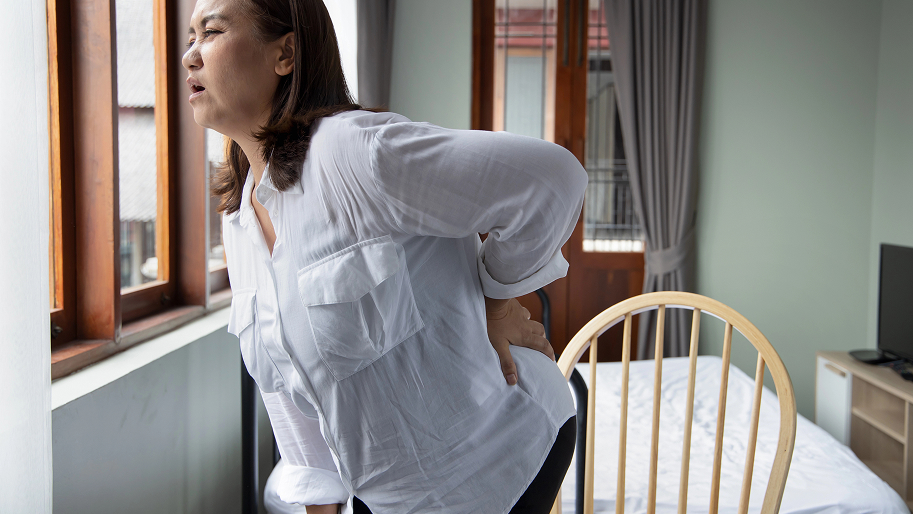
Hip pain in women over 50 is often automatically attributed to arthritis, but many less obvious factors can contribute to discomfort and reduced mobility. Hormonal changes, subtle muscle imbalances, tendon degeneration, or even sacroiliac joint issues can quietly affect the hip before obvious symptoms appear. Understanding these causes of hip pain beyond arthritis is essential for early detection and effective management, helping women maintain strength, stability, and independence without waiting for joint degeneration to progress.
Why Women Over 50 Are at Increased Risk
As women age, several factors combine to make the hips more vulnerable to pain beyond arthritis. Hormonal changes during menopause, particularly the decline in estrogen, can reduce bone density and affect ligament elasticity, subtly compromising joint stability. Muscle mass around the hips and pelvis naturally decreases with age, leading to imbalances that increase stress on tendons, bursae, and cartilage. Changes in posture or gait—often unnoticed—can further exacerbate strain on the joint. Additionally, cumulative micro-injuries from daily activities or previous injuries can create chronic soft tissue issues. These interconnected changes mean that women over 50 are more likely to experience hip pain in older women even when their hip joints appear structurally healthy on imaging.
Common Non-Arthritic Causes of Hip Pain
Hip pain in women over 50 is often mistakenly attributed solely to arthritis, but several non-arthritic conditions are frequently involved. Hip bursitis—inflammation of the fluid-filled sacs that cushion the joint—can cause sharp pain on the outer hip, especially with activity or pressure. Gluteal tendinopathy and hip tendonitis occur when tendons weaken or degenerate over time, producing persistent lateral or posterior hip discomfort. Hip labral tears damage the cartilage rim around the socket, leading to catching, clicking, or instability. Structural issues like hip impingement or subtle pelvic misalignment can further restrict motion and trigger pain. Even sacroiliac joint dysfunction or soft tissue imbalances around the glutes, hamstrings, and lower back can mimic joint pain, highlighting the importance of a thorough evaluation to identify the true source.
Recognizing Symptoms and Early Warning Signs
Early detection of hip problems can prevent more serious complications, but many women over 50 dismiss subtle changes as normal aging or assume occasional stiffness and discomfort are just part of getting older. Paying attention to early warning signs can help identify issues before they worsen, improve treatment outcomes, and preserve mobility and independence. Key warning signs to watch for include:
- Pain outside the classic joint area
- Lateral hip or buttocks discomfort often signals bursitis or gluteal tendinopathy rather than arthritis.
- Dull, persistent soreness may worsen when climbing stairs or rising from a chair.
- Changes in mobility or gait
- Minor limping, shifting posture, or difficulty bearing weight on one leg can indicate weakened stabilizing muscles or early labral tears.
- Reduced hip rotation or stiffness in certain movements may precede more severe pain.
- Hip instability symptoms
- Sensations of the hip “giving way” or feeling unsteady during daily activities suggest tendon or ligament weakness.
- Stiffness, swelling, or tenderness
- Recurring stiffness after sitting or mild swelling following activity may point to bursitis, tendon inflammation, or impingement.
- Multiple contributing factors
- Combined symptoms, like sacroiliac joint discomfort with gluteal pain, may complicate diagnosis and require careful evaluation.
- Tracking subtle changes over time
- Keeping a journal of pain location, intensity, triggers, and instability helps clinicians identify patterns and guide appropriate treatment during a hip pain evaluation in San Francisco.
Early attention to these signs allows for targeted non-surgical interventions, physical therapy, and other measures to preserve long-term hip function and mobility.
Non-Surgical Approaches to Managing Hip Pain
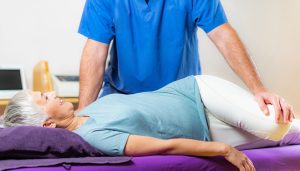
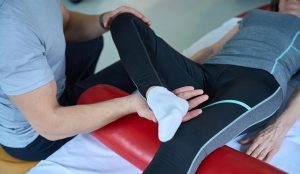
Many women over 50 can relieve hip pain without surgery by focusing on targeted, non-invasive strategies. Physical therapy for hip pain is often the cornerstone, emphasizing strengthening the glutes, hip stabilizers, and core to reduce stress on the joint. Gentle, low-impact exercise such as swimming, cycling, or guided stretching helps maintain mobility and joint lubrication while minimizing wear. Soft tissue techniques, including massage or myofascial release, can address muscle imbalances and tendon tension. Supportive devices like orthotics or cushions, along with anti-inflammatory measures, also reduce daily strain. Early intervention with these approaches can preserve function, prevent worsening symptoms, and sometimes delay or eliminate the need for surgical treatment.
When Surgery or Advanced Interventions Are Needed
Surgery or advanced interventions may become necessary when non-surgical approaches no longer relieve pain or restore function. Women over 50 with persistent hip pain, significant instability, or structural damage—such as severe labral tears, hip impingement, or advanced tendon degeneration—may benefit from hip preservation techniques. Minimally invasive procedures can repair soft tissue, correct alignment, or stabilize the joint while avoiding full replacement. In some cases, hip replacement alternatives for women may be considered if conservative care fails. Early assessment by a specialist ensures that intervention is timed appropriately, targeting the underlying cause rather than just managing symptoms.
Creating a Personalized Plan for Long-Term Hip Health
Maintaining hip health over the long term requires a plan tailored to each woman’s unique anatomy, activity level, and risk factors. A personalized approach goes beyond generic exercises, combining targeted strengthening for hip stabilizers, low-impact cardio, and mobility routines that protect both the joint and surrounding soft tissue. Regular assessments of gait, posture, and flexibility can reveal subtle imbalances before they progress into chronic pain. Integrating lifestyle strategies—like ergonomic adjustments, gradual activity progression, and supportive footwear—enhances joint protection. Working with a specialist allows for a plan that adapts over time, ensuring sustainable strength, stability, and independence while minimizing reliance on medications or invasive interventions.
Conclusion: Taking Charge of Your Hip Health
Hip pain in women over 50 is often more complex than arthritis alone, involving tendons, bursae, labral tissue, and subtle biomechanical changes. Early recognition of symptoms—like lateral hip soreness, instability, or changes in gait—combined with targeted non-surgical approaches can preserve mobility, reduce discomfort, and prevent long-term complications. Developing a personalized plan that includes strength, flexibility, and low-impact activity is key to maintaining hip health and independence. If you’re experiencing persistent hip pain or want guidance on protecting your joints, visit us or call (415) 530-5330 to schedule an appointment with a specialist in hip care.