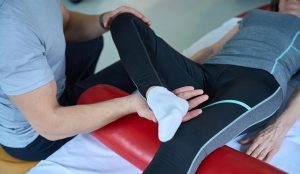

Hip pain is often treated as a wear-and-tear problem, but in many cases, it’s a coordination issue—where muscles stop sharing the workload effectively. The right physical therapy exercises don’t just “strengthen” the hip; they retrain how the joint moves and absorbs force. This guide walks you through a step-by-step home routine designed to reduce pain, restore control, and help your hips move the way they were meant to.
What Causes Hip Joint Pain? Understanding the Root Before You Treat It
Hip joint pain is often blamed on aging or arthritis, but the real cause is frequently more nuanced. In many cases, pain develops from subtle changes in how the hip handles load—like when surrounding muscles become underactive, forcing the joint to absorb more stress than it should. Limited ankle or lower back mobility can also shift pressure into the hips without you realizing it. Even daily habits, like how you sit or stand, can gradually reshape movement patterns. Understanding whether your pain comes from joint irritation, muscle imbalance, or compensation elsewhere is key, because the wrong type of exercise can reinforce the problem instead of relieving it.
Step-by-Step Home Routine for Hip Pain Relief
- Start with slow, intentional movement rather than intensity; your goal is to “wake up” communication between muscles, not push through pain.
- Begin with 3–5 minutes of gentle motion to reduce joint stiffness before attempting any strengthening work.
- Move into mobility exercises first, allowing the hip joint to regain space and fluid movement before adding load.
- Follow with light strengthening exercises that focus on control, not speed—this helps redistribute pressure away from the joint.
- Keep your breathing steady; holding your breath can increase tension and limit how well muscles engage.
- Perform each movement in a pain-free range, even if it feels small—quality matters more than depth.
- End with light stretching to signal the nervous system to relax and reduce lingering tightness.
Phase 1: Gentle Hip Mobility Exercises
Mobility is often misunderstood as stretching, but it’s really about teaching the joint to move with control through small, safe ranges. When the hip loses this ability, the body compensates by tightening surrounding muscles, which can increase discomfort. These gentle movements are designed to restore subtle motion inside the joint capsule, where stiffness often begins but isn’t easily felt. Move slowly and stay relaxed—rushing can cause the body to guard and limit progress. It’s normal if the range feels restricted at first; what matters is consistency. Over time, these exercises help the hip “relearn” smooth movement, which can reduce pressure and make everyday activities feel easier.
Phase 2: Hip Strengthening Exercises for Pain Relief
Strengthening the hip isn’t just about building muscle—it’s about restoring timing. In many people with hip pain, the right muscles are strong enough but activate too late to protect the joint. These exercises focus on slow, controlled engagement so the hip learns to stabilize before movement happens, not after. You may feel mild fatigue in the outer hip or glutes, which is expected, but sharp or pinching pain is a signal to adjust. Keep movements steady and avoid using momentum. Even small, controlled repetitions can retrain how force travels through the joint, reducing unnecessary strain during everyday actions like walking or standing.
Phase 3: Low-Impact Functional Movements
This phase focuses on how your hip behaves during real-life tasks, not just isolated exercises. Pain often shows up during transitions—like standing up or stepping forward—because the body hasn’t practiced distributing force smoothly. These movements retrain coordination between the hips, knees, and core so no single area takes too much load. The goal is to move with control, especially during the lowering phase, where the joint absorbs the most stress. Keep your movements slow and balanced, paying attention to how your weight shifts. Small adjustments in posture and control here can significantly reduce strain during everyday activities like walking, climbing stairs, or getting out of a chair.
Phase 4: Gentle Stretching for Long-Term Relief
Stretching at this stage is not about pushing range, but about reducing the nervous system’s protective tension around the hip. When pain has been present for a while, muscles often stay slightly “on guard,” even during rest. Gentle stretching helps signal safety to the body so it no longer needs to brace as much. Move into each stretch slowly and stop well before discomfort turns into strain. Hold steady rather than deep, and allow the breath to soften the surrounding muscles over time. The goal is not immediate flexibility gains, but a gradual decrease in holding patterns that keep the hip feeling tight and restricted.
Common Mistakes That Can Slow Your Recovery
- Pushing range instead of control: Many people try to stretch or move farther, but the hip often improves more from controlled, smaller movements that rebuild coordination.
- Skipping the “easy” exercises: Gentle mobility work may feel too simple, but it’s often what helps the nervous system stop guarding the joint.
- Doing exercises in pain: Mild effort is fine, but sharp or pinching pain can reinforce protective tension and slow progress.
- Inconsistent practice: Hip recovery depends more on frequent, low-effort repetition than occasional intense sessions.
- Ignoring how you move outside exercise: Sitting posture, walking habits, and how you stand can quietly undo progress made during exercises.
- Rushing strengthening too early: If stability isn’t re-established first, stronger muscles may still move in poor patterns and continue irritating the joint.
When to Consider Professional Help for Hip Pain
Hip pain becomes more complex when it no longer follows a predictable pattern of improvement with gentle movement. One often overlooked sign is when pain shifts locations—such as moving from the hip into the groin, knee, or lower back—suggesting deeper coordination or joint involvement. Another indicator is persistent stiffness after rest that doesn’t ease with light activity. If exercises feel like they are “working” but the pain quickly returns afterward, the system may need guided correction rather than more repetition. Difficulty trusting the leg during weight-bearing, or a sense of instability when stepping, can also signal that the joint needs a more structured assessment and tailored progression.
Conclusion
Consistent, thoughtful movement is one of the most effective ways to support hip health, especially when pain is influenced by stiffness, weakness, or altered movement patterns. The key is not intensity, but precision—helping the hip regain coordination so daily activities feel less demanding over time. While home exercises can make a meaningful difference, some cases require a more detailed evaluation to understand what is driving persistent pain. If hip discomfort is limiting your mobility or not improving as expected, professional guidance can help clarify the next steps. To learn more or schedule an appointment, visit us or call (415) 530-5330.