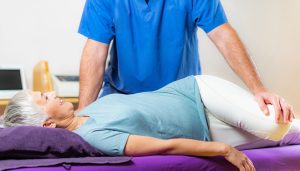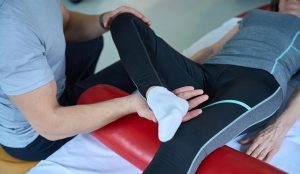
Osteotomy recovery is often misunderstood as simple “healing time,” but it is actually a coordinated rebuilding of bone alignment, muscle function, and movement patterns. Unlike soft-tissue procedures, the body must adapt to a new structural geometry while the bone gradually strengthens. This means progress happens in layers—what feels stable one week may still be biologically evolving beneath the surface, shaping how the hip will ultimately function long term.
Understanding Hip Osteotomy: What Actually Happens During Surgery
Hip osteotomy is often described as “bone realignment,” but what matters most is how carefully the load-bearing mechanics of the hip are redesigned. During surgery, the surgeon makes precise cuts in the bone to change the angle or position of the joint so that pressure is distributed more evenly across the cartilage. What is less commonly discussed is that this adjustment doesn’t just affect bone position—it immediately changes how surrounding muscles and soft tissues must coordinate to support movement. Fixation devices are then used to hold the new alignment in place while the bone heals. From that moment, recovery is not just about healing tissue, but about the body learning a new structural blueprint for movement.
Key Principles of Osteotomy Recovery Most Patients Don’t Expect
- Healing is driven by load, not just time: Bone doesn’t simply “heal with rest”—it responds to carefully controlled stress. Too little movement can slow adaptation, while too much can disrupt the surgical alignment.
- Your brain is part of the recovery: After osteotomy, the nervous system must relearn how to trust a newly aligned hip, which affects balance, coordination, and even confidence in movement.
- Muscles often feel “out of sync” before they feel weak: It’s common for strength to be present but poorly timed, making movement feel awkward rather than simply difficult.
- Progress is not linear: Small improvements may be followed by temporary stiffness as the body reorganizes internally.
- Compensation patterns can develop quickly: Even subtle limping or shifting weight early on can shape long-term movement habits if not corrected.
Week 1–2: Immediate Post-Surgery Phase and Protection
During the first two weeks after osteotomy, the focus is less on movement and more on protecting the new bone alignment while the body begins early healing. What is often overlooked is that this phase is not just physical rest—it is a period where the nervous system adjusts to a completely new sense of hip stability. Swelling and fatigue are expected, but they also play a role in limiting overuse. Small, controlled movements are introduced mainly to support circulation and prevent stiffness, not to build strength. Assistive devices are essential because even subtle weight shifts can influence how the surgical correction is maintained during this early biological phase of bone repair.
Week 3–6: Early Healing and Controlled Mobility Phase
During weeks 3 to 6, the body begins to shift from protection into early adaptation, but this does not mean the bone is fully stable yet. A less discussed aspect of this phase is that pain often decreases faster than actual structural strength improves, which can create a false sense of readiness. Controlled mobility is introduced to encourage safe joint motion and prevent stiffness, but every movement still serves the purpose of guiding healing alignment rather than building endurance. Weight bearing is typically increased in small steps, allowing the bone to gradually respond to load without disrupting the correction. The nervous system is also starting to accept new movement patterns as “normal.”
Week 6–12: Transition Phase and Functional Rebuilding
Between weeks 6 and 12, recovery shifts from protection to rebuilding how the hip actually functions in daily life. What is often missed in this stage is that strength alone is not the main goal—coordination becomes more important than force. The hip begins to tolerate more weight, but it is still learning how to distribute load smoothly through the pelvis and leg. Movements like walking, standing, and stair use are gradually reintroduced with a focus on control rather than speed or distance. Patients may notice that fatigue shows up in unexpected ways, not because of weakness, but because the body is still refining how multiple muscle groups work together around the new alignment.
Month 6–12: Advanced Recovery and Activity Reintegration
During months 6 to 12, recovery is less about healing and more about refinement of movement efficiency. What is often overlooked is that the hip may feel “normal” at rest long before it functions normally under dynamic load. This phase focuses on reintroducing higher-demand activities, where timing, balance, and force absorption are tested in real-world conditions. Subtle asymmetries in gait or movement patterns can still persist even when pain is gone, and these must be corrected to protect long-term joint health. The body is essentially stress-testing the new alignment, learning how to handle impact, rotation, and fatigue without reverting to old compensations that originally contributed to joint breakdown.
Long-Term Outcomes After Hip Osteotomy
Long-term results after hip osteotomy are not defined only by pain relief, but by how efficiently the hip continues to manage load over time. A less commonly discussed factor is that the success of the procedure depends heavily on whether the new joint mechanics are maintained through daily movement habits. Even after full recovery, small asymmetries in walking, sitting, or activity patterns can slowly reintroduce uneven stress to the joint. When the alignment is well preserved, the hip often remains functional for many years by delaying or reducing the progression of degeneration. Patients typically notice that endurance improves more than strength, reflecting better energy efficiency in how the joint and muscles work together under load.
Conclusion
Osteotomy recovery is a structured process of rebuilding how the hip bears weight, moves, and adapts over time. Each phase plays a specific role in guiding bone healing while retraining the surrounding muscles and movement patterns. Progress may feel gradual, but it reflects deep biological and mechanical changes that are essential for long-term joint function. Understanding what to expect week by week can help set realistic expectations and support better outcomes. If you are considering hip preservation surgery or want to better understand your recovery options, visit us or call (415) 530-5330 to schedule an appointment.