
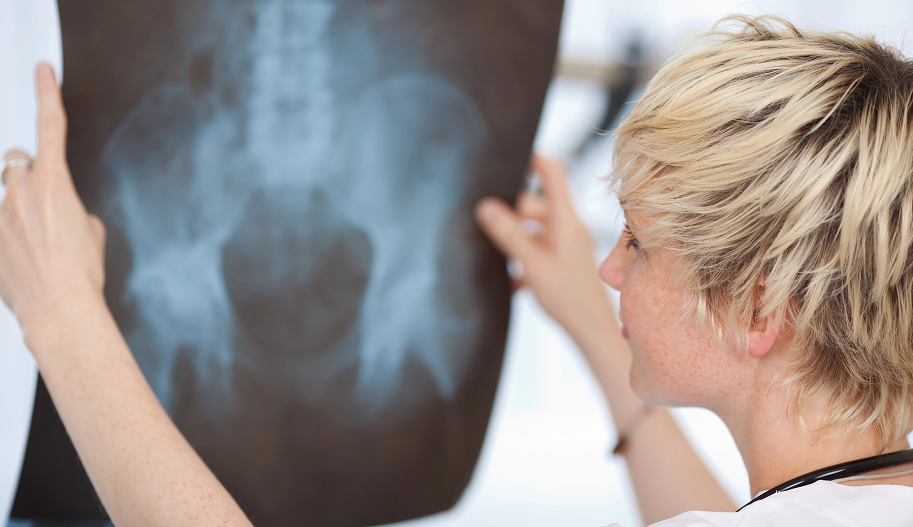
Hip problems are often treated only after pain becomes severe, but subtle early changes in movement, balance, or joint awareness can signal underlying damage long before it escalates. Recognizing these signs allows patients to intervene proactively, protecting cartilage, bone, and joint function. Early diagnosis isn’t just about avoiding surgery—it’s about preserving mobility, confidence, and quality of life. Understanding these hidden cues empowers adults to take control of their hip health before irreversible damage occurs.
Understanding Hip Preservation
Hip preservation focuses on maintaining the natural structure and function of the joint for as long as possible, rather than moving immediately toward replacement surgery. While most people associate hip care with arthritis or fractures, preservation also involves subtle factors like cartilage integrity, joint alignment, and muscle balance around the hip. Early detection of minor wear or instability can open opportunities for minimally invasive treatments, targeted therapy, and lifestyle adjustments that are often overlooked. By addressing these issues before they worsen, patients can slow degeneration, maintain mobility, and reduce long-term pain. Preservation is not just about preventing surgery—it’s about optimizing how the hip moves, feels, and responds to daily activity over the years.
The Importance of Early Diagnosis
Early diagnosis of hip problems allows patients to act before damage becomes irreversible. Subtle changes in gait, stiffness after activity, or mild discomfort can indicate early cartilage wear or joint instability—signs often ignored until pain intensifies. Detecting these issues promptly opens the door to interventions that preserve natural hip function, such as targeted physical therapy, activity adjustments, or minimally invasive procedures. Early identification also helps prevent compensatory movement patterns that can strain the knees, spine, and other joints. By recognizing problems when they first appear, patients can maintain mobility, reduce long-term pain, and delay or even avoid major surgery, giving them greater control over their hip health and overall quality of life.
Strategies for Detecting Hip Issues Before Surgery
Detecting hip problems early requires attention to both subtle physical cues and proactive evaluation. Many patients focus only on pain, but changes in movement, stability, and daily function can provide equally important signals. Implementing a combination of self-monitoring, professional assessments, and lifestyle awareness can help identify issues before surgical intervention becomes necessary.
- Track changes in pain patterns
Rather than only noting intensity, pay attention to when and where discomfort occurs. Pain after prolonged sitting, climbing stairs, or standing on one leg can indicate early joint stress or cartilage wear that might otherwise go unnoticed. - Monitor stiffness and range of motion
Slight reductions in hip flexibility, difficulty bending, or trouble reaching behind can be early indicators of hip joint strain. Recording these limitations over time helps identify gradual changes before they become severe. - Notice shifts in daily movement patterns
Subtle adjustments, such as favoring one leg, altering gait, or using handrails more frequently, often indicate the body compensating for early joint instability. These adaptive patterns can precede visible pain or swelling. - Schedule regular orthopedic evaluations
Early professional assessment—including physical exams and imaging—can detect structural changes, minor cartilage loss, or labral tears that are invisible to patients but critical for long-term preservation. - Leverage minimally invasive diagnostic tools
Techniques like MRI or ultrasound can identify soft tissue or cartilage issues before significant damage occurs, offering a window for interventions that are less invasive than surgery. - Pay attention to hip-related functional changes
Difficulty performing daily activities—rising from chairs, getting in and out of cars, or walking longer distances—can be subtle warning signs that merit further investigation. - Integrate early lifestyle adjustments
Observing how activity, weight, or exercise patterns influence hip comfort can reveal stress points in the joint, guiding both preventative strategies and clinical evaluation before surgical options are needed.
These strategies emphasize careful observation and proactive care, helping patients recognize hip issues early and preserve joint function for the long term.
Preventing Hip Damage Through Early Intervention
Acting on early signs of hip problems can slow or even prevent joint damage before it becomes severe. Targeted interventions—such as strengthening surrounding muscles, improving balance, and correcting movement patterns—reduce stress on the joint and support long-term stability. Lifestyle adjustments, including low-impact exercise, weight management, and activity pacing, help protect cartilage and bone integrity. Nutritional support, adequate sleep, and managing inflammation also play a subtle but critical role in preserving joint health. When combined with early professional evaluation, these strategies can delay or avoid surgery, maintain mobility, and enhance quality of life, giving patients greater control over their hip function for years to come.
When Surgery Might Still Be Needed
Even with early diagnosis and proactive interventions, some hips may continue to deteriorate due to severe cartilage loss, structural deformities, or traumatic injury. In these cases, surgery becomes a tool to restore function and relieve pain rather than a last resort. Early detection, however, allows patients to optimize their condition before surgery, improving outcomes and recovery time. Pre-surgical rehabilitation, strengthening surrounding muscles, and correcting movement patterns can make the joint more resilient and simplify the procedure. Understanding when surgery is necessary—and preparing the body beforehand—ensures that patients approach intervention with strength, stability, and confidence, rather than waiting until joint damage is advanced and options are limited.
Local Resources and Support
Accessing the right resources early can make a meaningful difference in hip preservation and recovery. In San Francisco, patients have options ranging from specialized orthopedic evaluations to physical therapy clinics focused on joint health. Support groups and community programs offer guidance on activity modification, injury prevention, and maintaining mobility. Educational workshops can teach safe exercise techniques and lifestyle adjustments that protect the hip over time. Even local wellness programs that emphasize strength, balance, and flexibility can support early intervention. By connecting with these resources, patients gain practical tools and professional guidance to monitor their hip health, address issues promptly, and implement strategies that reduce the risk of long-term damage.
Conclusion
Early diagnosis is the most powerful tool in preserving hip health, allowing patients to identify subtle changes, intervene before damage progresses, and maintain mobility and quality of life. By paying attention to early signs, using proactive strategies, and accessing local resources, adults can slow degeneration, prevent compensatory injuries, and even reduce the need for major surgery. Hip preservation is not just about avoiding procedures—it’s about protecting function, strength, and independence over the long term. If you are experiencing hip pain or want guidance on preserving your joint health, call us at (415) 530-5330 or visit our office to schedule a personalized evaluation today.