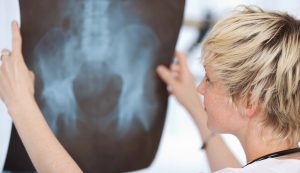

An osteotomy isn’t just a surgical procedure—it’s a strategic reshaping of how your joint bears weight, and for many adults, it represents a path that protects the hip long before arthritis becomes irreversible. While most conversations focus on replacements, few discuss the structural nuances that determine whether a joint can still be preserved. This introduction helps patients understand why alignment matters and how realignment can meaningfully change their long-term mobility and comfort.
What Is an Osteotomy? A Clear, Patient-Friendly Definition
An osteotomy is a procedure where a surgeon carefully reshapes or repositions a section of bone to improve the way the hip joint aligns and functions. Instead of replacing the joint, the goal is to correct the underlying mechanics that are causing pain or cartilage breakdown. What’s rarely explained is that many hip problems stem from tiny structural imbalances you can’t see on an X-ray at a glance—subtle angles, shallow sockets, or rotational issues that change how each step loads your cartilage. By adjusting these angles, an osteotomy can reduce pressure on damaged areas and help the joint move more naturally. For patients wanting to protect their natural hip for as long as possible, osteotomy directly addresses the root cause rather than the symptoms.
Types of Hip Osteotomies: What Patients Should Know
Hip osteotomies come in several forms, each designed to address a specific structural issue rather than offering a one-size-fits-all fix. What many patients don’t realize is that these procedures are chosen based on precise geometric details of their hip—details that influence how forces travel through the joint with every step. A periacetabular osteotomy (PAO) repositions the hip socket for those with dysplasia, while an intertrochanteric osteotomy adjusts the angle of the upper femur to improve alignment. There are also combined femoral and acetabular corrections for more complex cases where both sides of the joint contribute to pain. Understanding these distinctions helps patients see that osteotomy is not simply “bone cutting,” but a tailored approach to restoring natural joint mechanics.
Who Is a Good Candidate? Signs You May Need an Osteotomy
Not everyone with hip pain needs an osteotomy, but for the right patient, it can be one of the most effective ways to protect the natural joint. What is often overlooked in typical medical explanations is that candidacy isn’t only about pain intensity—it’s about how your hip is built and how it responds to load. Here are signs, patterns, and structural clues that may indicate an osteotomy is worth considering:
- You’ve been told your hip joint is “shallow” or “misaligned.”
Subtle socket or femur shape differences—often present since childhood—can lead to uneven cartilage wear long before arthritis becomes severe. - Your imaging shows damage in one specific region of the joint.
When cartilage breakdown is concentrated on one side, realigning the joint can redistribute pressure and slow further wear. - You feel pain during weight-bearing activities rather than at rest.
Pain triggered by walking, hiking, or standing can signal that the joint isn’t tracking correctly, even if X-rays look “normal.” - You have hip dysplasia that wasn’t diagnosed until adulthood.
Many adults discover late-onset symptoms when the joint finally struggles to compensate for years of structural imbalance. - You’re younger or middle-aged and want to delay a hip replacement.
Osteotomy is often chosen by active adults who want to preserve their natural joint rather than move directly to artificial implants. - You experience clicking, instability, or a sense of “slipping” in the hip.
These sensations can occur when the socket doesn’t fully cover the femoral head, allowing abnormal movement patterns. - Conservative treatments help only temporarily.
If physical therapy, injections, or activity modification offer temporary relief but pain returns as soon as you resume daily movement, mechanics—not inflammation—may be the root issue. - Your hip has early-stage arthritis but not advanced degeneration.
Osteotomy is most effective before the cartilage is severely worn, making timing an important part of candidacy.
Recognizing these early signs empowers patients to explore hip-preservation strategies before damage progresses beyond repair.
What to Expect During Osteotomy Surgery
During an osteotomy, the surgeon doesn’t just “cut and move bone”—they carefully plan every angle to restore natural hip mechanics. What is seldom discussed is the level of precision involved: advanced imaging and intraoperative guidance are often used to measure exactly how the femur or hip socket should be repositioned. The procedure may take several hours and typically involves general anesthesia, with careful attention to protecting nerves and blood vessels. Small plates, screws, or pins are used to hold the bones in place while they heal. Patients can also expect that early mobility will be guided by a physical therapist to ensure proper alignment and avoid stress on the healing bone.
Hip Osteotomy Recovery Time: A Detailed, Realistic Timeline
Recovery after a hip osteotomy is gradual and varies depending on the type of procedure and the patient’s overall health. What many patients don’t realize is that the first few weeks focus more on protecting the bone than regaining full mobility. Typically, partial weight-bearing begins within 2–4 weeks, progressing to full weight over 6–12 weeks. Physical therapy usually starts immediately with gentle range-of-motion exercises, but strengthening and functional training develop more slowly. Swelling, mild discomfort, and stiffness are common for several months. Many patients resume low-impact activities around 3–4 months, while higher-impact sports or strenuous activity often require 6–9 months to ensure the joint has fully adapted to its new alignment.
Long-Term Outlook After an Osteotomy
The long-term results of an osteotomy often extend beyond simple pain relief, focusing on preserving natural joint function and delaying the need for hip replacement. While many discussions focus on short-term recovery, the structural and functional benefits over years are less commonly highlighted. Key points about long-term outcomes include:
- Joint Preservation for Decades: Properly performed osteotomies can maintain natural hip function for 10–20 years or more, especially in younger adults.
- Reduced Progression of Arthritis: By redistributing pressure, osteotomy slows cartilage wear and decreases the likelihood of rapid joint degeneration.
- Improved Mobility and Activity Levels: Many patients regain the ability to walk longer distances, climb stairs comfortably, and participate in low-impact sports.
- Influence on Future Hip Replacement: Even if a replacement becomes necessary later, prior osteotomy can preserve bone stock and make the procedure more straightforward.
- Individual Variability: Long-term outcomes depend on age, bone quality, alignment accuracy, and adherence to post-operative rehabilitation.
These considerations help patients understand that osteotomy is not merely a temporary fix but a strategic investment in joint health.
Conclusion
An osteotomy is more than a surgical procedure—it’s a precise approach to preserving your natural hip, correcting underlying structural issues, and improving long-term mobility. For many adults, it offers a chance to delay or even avoid hip replacement while maintaining an active lifestyle. Understanding the different types of osteotomies, candidacy factors, and realistic recovery expectations empowers you to make informed decisions about your hip health. If you’re experiencing persistent hip pain, limited mobility, or structural concerns, it may be time to explore whether an osteotomy is right for you. Visit us at SFHips or call (415) 530-5330 to schedule an appointment and take the next step toward preserving your hip joint.