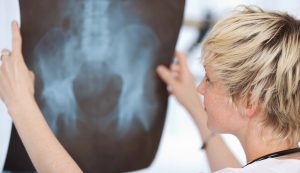

Hip implants are designed to restore mobility and relieve pain, but they are not immune to subtle long-term changes. Some failures occur gradually, with tiny shifts in the implant or bone that patients may barely notice at first. Understanding what causes hip implants to fail can help identify problems early—long before pain or instability becomes severe. Recognizing these signs allows patients to seek timely evaluation and preserve function, often avoiding more complex complications later.
The Basics: How Hip Implants Work
A hip implant is more than a simple replacement; it is a complex system designed to mimic the natural mechanics of the hip joint. Most implants consist of three main components: a stem that fits into the thigh bone, a ball that replaces the femoral head, and a cup that lines the hip socket. What is often overlooked is how small variations in bone density, joint alignment, and soft tissue tension influence the implant’s performance over time. Even minor changes in how these components interact can create micro-movements or uneven stress, gradually contributing to hip implant wear and tear or loosening. Understanding these mechanics is key to recognizing why implants may fail unexpectedly.
Subtle or Delayed Causes Often Overlooked
Not all hip implant failures are immediate or obvious. Some occur quietly, years after surgery, due to gradual changes in bone or soft tissue that reduce stability. Micro-motion between the implant and bone, slow bone loss, or minor wear particles can silently weaken the joint before pain appears. Individual factors, such as anatomy, previous surgeries, or changes in activity level, can further accelerate these subtle failures. Even a technically perfect implant can eventually face challenges as the body adapts over time. These delayed causes are rarely discussed, yet recognizing them early—through routine monitoring and attention to small shifts in comfort or mobility—can prevent more serious complications and the need for complex revision surgery.
Common Causes of Hip Implant Failure
- Wear and Tear Over Time
Hip implants are designed to last many years, but normal use gradually wears down the surfaces where the ball and socket meet. Tiny particles can develop at these contact points, sometimes causing inflammation in the surrounding tissue. Over time, this can lead to subtle loosening, stiffness, or discomfort that patients may initially dismiss as normal aging. - Implant Loosening
Loosening is one of the most common reasons for revision surgery. It can occur without infection (aseptic loosening) due to bone loss or mechanical stress. Micro-movements between the implant and bone can slowly widen gaps, reducing stability. Even slight changes in alignment can trigger pain, altered gait, or difficulty bearing weight. - Infection After Hip Replacement
Infection can develop immediately after surgery or years later. Low-grade infections are especially sneaky—they may present as mild swelling, intermittent pain, or subtle warmth around the joint. Untreated, infection can destroy bone and soft tissue, making revision surgery more complex. - Dislocation and Instability
Hip replacement dislocation causes include improper positioning of the components, weak surrounding muscles, or injury. Repeated subluxations (partial dislocations) can gradually damage tissues and increase the risk of mechanical failure. - Mechanical or Material Failures
While rare, fractures of implant components, corrosion, or metal implant reactions can compromise the joint. Some patients may develop sensitivity to metals or experience unusual wear patterns that contribute to instability or pain. - Periprosthetic Fractures
Fractures around the implant, often caused by falls or minor trauma, can destabilize the joint. Even small cracks in the bone can interfere with the implant’s fixation, sometimes requiring surgical reconstruction or revision. - Late-Onset or Delayed Failures
Hip implant failure years later may result from a combination of wear, bone remodeling, and subtle misalignment that gradually reduces function. These delayed failures are often overlooked because early symptoms can be mild, like stiffness, slight limping, or intermittent discomfort. - Patient-Specific Factors
Individual anatomy, activity level, prior surgeries, and overall bone quality all influence implant longevity. High-impact activities, osteoporosis, or changes in weight can subtly increase stress on the joint, contributing to long-term failure.
These causes highlight that hip implant failure is often multifactorial, combining mechanical, biological, and patient-specific factors rather than a single, obvious problem.
Recognizing Failed Hip Replacement Symptoms
Recognizing failed hip replacement symptoms early can prevent more serious complications. While severe pain is an obvious warning sign, many failures start subtly. Patients may notice a new limp, stiffness that worsens over months, or a feeling that the hip “shifts” during walking or climbing stairs. Swelling, warmth, or mild discomfort after activity can also indicate underlying implant issues. Even occasional instability, such as needing support on uneven ground, can signal loosening or wear. Less obvious signs include changes in leg length or a gradual decrease in range of motion. Paying attention to these early, often overlooked symptoms allows timely evaluation and intervention by a hip revision specialist in San Francisco.
Preventing or Minimizing Hip Implant Failure
While no implant lasts forever, certain strategies can help protect hip replacements and extend their function. Low-impact activities like swimming, cycling, or walking maintain joint strength without excessive wear. Avoiding high-impact sports or sudden twisting motions reduces stress on the implant. Maintaining a healthy weight also lessens mechanical load and slows gradual loosening. Regular follow-ups with imaging allow surgeons to detect early signs of hip implant wear and tear or subtle shifts before they progress. Bone health is equally important—adequate calcium, vitamin D, and monitoring for osteoporosis help the implant remain secure. Early attention to minor pain or instability can significantly reduce the risk of complex revision surgery later.
What Happens Next: Options After Implant Failure
When a hip implant fails, evaluation by a hip revision specialist in San Francisco is the first step. Depending on the cause, options range from non-surgical management—such as physical therapy, activity modification, or medications—to surgical revision. Revision total hip arthroplasty may involve replacing part or all of the implant, addressing bone loss, or correcting alignment issues. In complex cases, specialized techniques like complex hip reconstruction are used to restore stability and function. The choice of approach depends on the patient’s overall health, activity level, and the type of failure. Early assessment allows tailored treatment that minimizes complications and preserves long-term mobility.
Conclusion
Hip implant failure can develop gradually or suddenly, and the warning signs are not always obvious. Subtle changes in mobility, stability, or comfort may indicate underlying issues that, if addressed early, can prevent more complicated problems. Understanding the potential causes—from wear and tear to infection, loosening, or fractures—helps patients recognize when to seek evaluation. If you are experiencing persistent pain, instability, or other signs of a failing hip implant, timely consultation is essential. To learn more about your options or schedule a personalized assessment, visit us or call (415) 530-5330 to make an appointment with a qualified hip revision specialist.