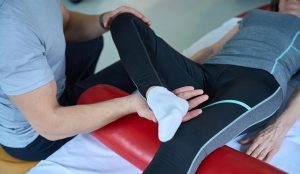

Hip surgery is often seen as the start of a long recovery, but the role of physical therapy in shaping outcomes is frequently underestimated. Beyond simple exercises, targeted rehabilitation retrains muscles, restores joint mechanics, and even improves circulation to promote healing at the surgical site. For many adults, especially those 40–70 facing hip replacement or arthroplasty, early and guided physical therapy can not only speed recovery but also reduce long-term complications, preserve mobility, and help patients return to the activities they value most.
The Science Behind Physical Therapy and Hip Recovery
Physical therapy after hip surgery does far more than maintain movement—it actively shapes how the joint and surrounding muscles heal. What is often overlooked is that targeted exercises stimulate blood flow, bringing oxygen and nutrients to bone and soft tissue, which accelerates repair. PT also retrains muscles that may have weakened from years of compensating for hip pain, restoring balance and alignment that protects the joint. Controlled motion helps prevent scar tissue and stiffness, which can limit long-term mobility. By addressing both strength and neuromuscular control, physical therapy creates a foundation for safer, more efficient movement, reducing stress on the new or repaired joint and enabling patients to regain independence faster than relying on rest alone.
When to Start Physical Therapy: Early Mobilization Strategies
The timing of physical therapy after hip surgery can dramatically influence recovery, yet it’s often misunderstood. Early mobilization is not just about walking sooner—it helps the joint adapt to its new alignment, prevents complications, and retrains muscles to support proper mechanics. What many patients don’t realize is that starting PT at the right moment is tailored to the type of surgery, individual health, and bone healing rates. Key strategies include:
- Immediate Post-Op Movement: Within the first 24–48 hours, gentle ankle pumps, quad sets, and controlled leg lifts help maintain circulation and reduce swelling.
- Anterior Hip Replacement Recovery PT: This approach often allows faster early mobilization due to minimal muscle disruption, enabling safe walking and range-of-motion exercises soon after surgery.
- Weight-Bearing Progression: Patients gradually move from partial to full weight-bearing, guided by the surgeon and physical therapist to prevent stress on healing bone.
- Bed-to-Standing Transfers: Early practice of safe transfers reduces fall risk and strengthens core stabilizers.
- Range-of-Motion Exercises: Small, controlled hip movements prevent stiffness, maintain joint flexibility, and promote proper scar tissue formation.
- Customized Timing Based on Health Factors: Age, bone quality, and pre-existing muscle strength influence when and how quickly more intensive exercises are introduced.
Early and guided mobilization ensures the hip adapts efficiently to movement, setting the stage for faster, safer recovery.
Types of Physical Therapy Exercises After Hip Surgery
Physical therapy after hip surgery is more than walking with a walker—it involves carefully sequenced exercises that rebuild strength, stability, and coordination. Many experts focus on general mobility, but few emphasize the nuanced ways different exercises target specific muscles to protect the new joint. Early exercises typically include gentle range-of-motion movements to prevent stiffness and maintain flexibility. As healing progresses, strengthening exercises for the glutes, hip flexors, and core improve joint support and balance. Functional training, like sit-to-stand repetitions and controlled stair climbing, retrains movement patterns essential for daily life. Balance and proprioception exercises also help prevent falls, ensuring patients regain confidence and independence as they recover.
Timeline: How Physical Therapy Fits Into Hip Recovery
Hip surgery recovery is a staged process, and physical therapy is carefully timed to match each phase of healing. In the first two weeks, PT focuses on gentle range-of-motion exercises, circulation, and safe transfers to prevent stiffness and swelling. Between weeks 3 and 6, patients progress to strengthening exercises for the glutes, core, and hip stabilizers while gradually increasing weight-bearing activities. By months 2–3, therapy emphasizes functional training, balance, and endurance to restore independence in daily activities. Throughout this timeline, PT is not just a routine—it adapts to each patient’s pain levels, healing rate, and activity goals, ensuring safe progression and minimizing setbacks that are often overlooked in standard recovery plans.
Benefits of Physical Therapy After Hip Surgery
Physical therapy after hip surgery offers far more than simple post-operative exercise—it actively shapes the recovery process, helping patients regain function, reduce complications, and improve long-term joint health. Many discussions focus on pain relief alone, but PT delivers structural, muscular, and neurological benefits that are often overlooked:
- Accelerated Hip Surgery Recovery: Guided exercises promote faster restoration of movement, allowing patients to regain independence sooner.
- Muscle Re-education and Joint Support: PT retrains muscles that have weakened over years of compensating for hip pain, improving stability and reducing stress on the new joint.
- Prevention of Complications: Early therapy helps prevent stiffness, scar tissue buildup, blood clots, and falls, which are common risks after surgery.
- Improved Balance and Coordination: Targeted exercises restore proprioception, helping patients move confidently and safely in daily life.
- Enhanced Circulation and Healing: Controlled movement boosts blood flow to the surgical site, supporting tissue repair and reducing swelling.
- Functional Independence: PT focuses on real-world activities like walking, climbing stairs, and sitting or standing safely, preparing patients to return to their routines.
- Long-Term Joint Preservation: By reinforcing proper mechanics and strength, PT reduces abnormal wear on the hip, supporting lasting mobility and comfort.
These benefits show that physical therapy is not just an optional add-on—it’s a core component of achieving the best possible outcomes after hip surgery.
Choosing the Right Physical Therapist for Hip Recovery
Selecting the right physical therapist is as important as the surgery itself, yet it is often overlooked in discussions about hip recovery. An ideal therapist should have specialized experience in post-hip surgery rehabilitation and understand the nuances of anterior, posterior, and minimally invasive approaches. Look for someone who emphasizes not just strength, but also balance, gait retraining, and joint mechanics to prevent long-term complications. Certifications in orthopedic or geriatric PT, familiarity with senior mobility challenges, and experience tailoring exercises to individual activity goals are key indicators of expertise. A skilled therapist will create a progressive, patient-specific plan that adapts to your healing pace, pain levels, and functional ambitions, ensuring the safest and most effective recovery.
Conclusion
Physical therapy is a critical component of hip surgery recovery, influencing not only how quickly you regain mobility but also the long-term health and function of your hip joint. Beyond basic exercises, targeted rehabilitation strengthens muscles, retrains movement patterns, prevents complications, and helps patients return to their daily activities safely. For adults 40–70, early and guided physical therapy can make the difference between a slow, painful recovery and a faster, more confident return to life. If you or a loved one are preparing for hip surgery or recovering from one, visit us at SFHips or call (415) 530-5330 to schedule an appointment and start your personalized rehabilitation journey.