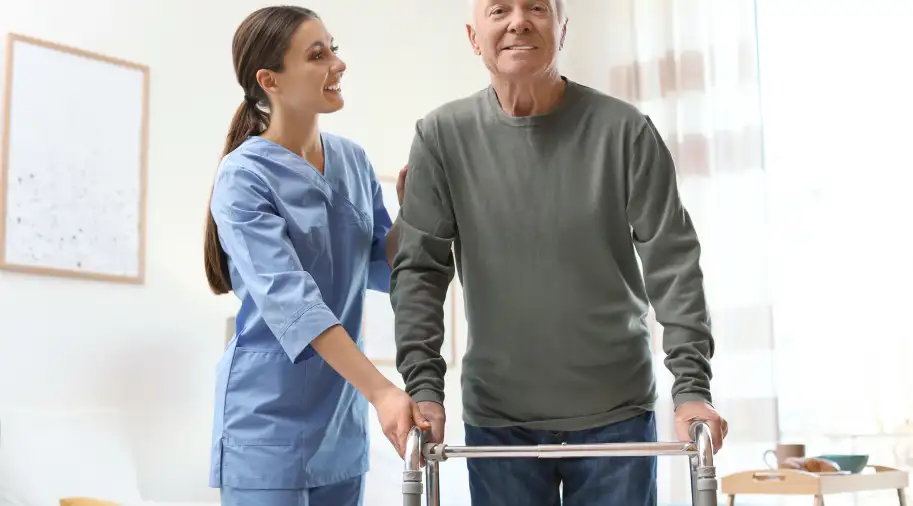
Hip arthroscopy recovery is often seen as a simple matter of resting and gradually walking, but the reality is far more nuanced. Each stage of recovery—from using crutches to returning to full activity—requires precise timing, muscle retraining, and joint protection strategies that many patients aren’t told about. Understanding these recovery stages empowers adults 40–70 to optimize healing, prevent complications, and regain mobility safely, ensuring that every step contributes to long-term hip health and functional independence.
The Science Behind Hip Arthroscopy Recovery
Recovery after hip arthroscopy is more than letting the joint rest—it’s an orchestrated process where biology and biomechanics intersect. What’s often overlooked is that the labrum, cartilage, and surrounding soft tissues heal at different rates, and early controlled movement helps guide proper alignment and prevent scar tissue formation. Physical therapy retrains muscles that may have weakened from compensating for hip pain, restoring balance and reducing stress on the joint. Additionally, gentle motion promotes circulation, delivering oxygen and nutrients to the surgical site, which accelerates tissue repair. By combining targeted exercises with progressive load management, patients can rebuild stability, retrain movement patterns, and optimize long-term hip function in a way that simple rest alone cannot achieve.
Stage 1: Immediate Post-Operative Phase (Days 1–7)
The first week after hip arthroscopy focuses on protecting the joint while gently activating muscles and promoting circulation. Many patients aren’t told that even small, controlled movements—like ankle pumps, gentle quad sets, and slight leg lifts—play a crucial role in reducing swelling, preventing blood clots, and maintaining muscle tone. Crutches or a walker are typically used to limit weight on the healing hip, while proper positioning in bed and during transfers protects surgical repairs. Pain management, icing, and elevation are also key during this phase, but early engagement in guided exercises sets the foundation for smoother progression to weight-bearing and more active rehabilitation in the weeks ahead.
Stage 2: Early Recovery (Weeks 1–4)
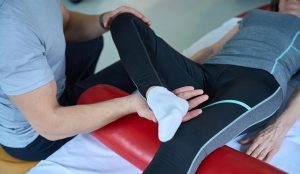
During weeks 1–4, hip arthroscopy recovery shifts from protection to gentle reactivation. Patients often underestimate how critical this phase is for restoring mobility without overloading healing tissue. Partial weight-bearing is gradually introduced, guided by the surgeon and physical therapist, while controlled range-of-motion exercises help maintain flexibility in the hip joint. Simple exercises like seated leg raises, gentle hip rotations, and supported standing marches retrain muscles and improve circulation. This stage also focuses on functional movements—transferring safely from bed to chair, navigating stairs, and practicing balance. Early physical therapy ensures that the hip adapts to movement safely, reduces stiffness, and builds a foundation for strength and independence in later recovery stages.
Stage 3: Strengthening and Functional Training (Weeks 4–8)
Weeks 4–8 mark a critical transition from gentle recovery to rebuilding strength and functional movement. During this phase, patients focus on reactivating key muscle groups, including the glutes, hip flexors, and core, which support joint stability and proper gait mechanics. Physical therapy incorporates resistance exercises, mini-squats, and controlled step-ups, gradually increasing load while monitoring pain and swelling. Balance and proprioception exercises are introduced to retrain coordination and reduce the risk of falls. Functional training becomes central, with targeted practice for everyday activities such as walking longer distances, climbing stairs, and standing from chairs. This stage ensures the hip not only heals but also regains strength and efficiency for daily life.
Stage 4: Advanced Recovery and Return to Activity (Weeks 8–16+)
By weeks 8–16 and beyond, the hip has typically healed enough to handle more dynamic and higher-impact movements. Patients gradually progress from low-impact exercises, like stationary cycling and swimming, to moderate activities such as brisk walking, light jogging, or resistance training. Physical therapy focuses on advanced strengthening, endurance, and sport-specific drills for those returning to athletics. Neuromuscular training continues to refine balance, coordination, and movement efficiency, reducing long-term injury risk. Many patients discover that controlled, progressive loading not only improves strength but also builds confidence in their hip. At this stage, full activity—while still guided by a therapist—is possible, marking the final step from initial post-surgery limitations to restored mobility and independence.
Common Challenges and Complications During Recovery
While most patients recover smoothly after hip arthroscopy, there are challenges that often go under-discussed. Stiffness and reduced range of motion can develop if exercises are skipped or performed incorrectly. Swelling and lingering discomfort may persist beyond the first few weeks, especially if activity is increased too quickly. Muscle imbalances from pre-existing compensations can slow progress and affect gait. Some patients experience temporary nerve irritation or numbness around the hip or thigh. Awareness and early intervention through consistent physical therapy, proper load management, and monitoring symptoms can prevent these issues from becoming long-term obstacles, ensuring a safer, more efficient return to daily activities and higher-level function.
Tips for a Successful Hip Arthroscopy Recovery
Successful recovery from hip arthroscopy goes beyond following a generic exercise plan. Small, often overlooked adjustments can significantly improve outcomes:
- Follow a Personalized PT Plan: Tailored exercises that progress with your healing rate optimize joint function and prevent setbacks.
- Prioritize Early Mobility: Gentle movement in the first days reduces stiffness, improves circulation, and supports tissue repair.
- Balance Activity and Rest: Avoid overloading the hip while staying active enough to maintain muscle engagement.
- Focus on Core and Glute Strength: Strengthening these key muscle groups stabilizes the hip and supports proper gait mechanics.
- Monitor Pain and Swelling: Track symptoms and communicate changes with your therapist to adjust exercises safely.
- Plan Functional Practice: Practice real-world movements—stairs, standing from chairs, and walking longer distances—to regain independence efficiently.
- Nutrition and Hydration: Adequate protein and fluids support tissue repair and overall energy levels during recovery.
These strategies work together to accelerate healing, preserve mobility, and prepare the hip for long-term activity.
Conclusion
Recovery after hip arthroscopy is a carefully staged process that requires patience, guided exercise, and attention to both joint mechanics and muscle strength. Understanding each phase—from initial protection on crutches to advanced functional training—helps patients optimize healing, regain mobility, and reduce the risk of complications. Small details, like balance exercises, progressive load, and personalized physical therapy, often make the biggest difference in long-term outcomes. If you or a loved one are preparing for or recovering from hip arthroscopy, visit us at SFHips or call (415) 530-5330 to schedule an appointment and create a personalized recovery plan that supports safe, effective return to activity.