
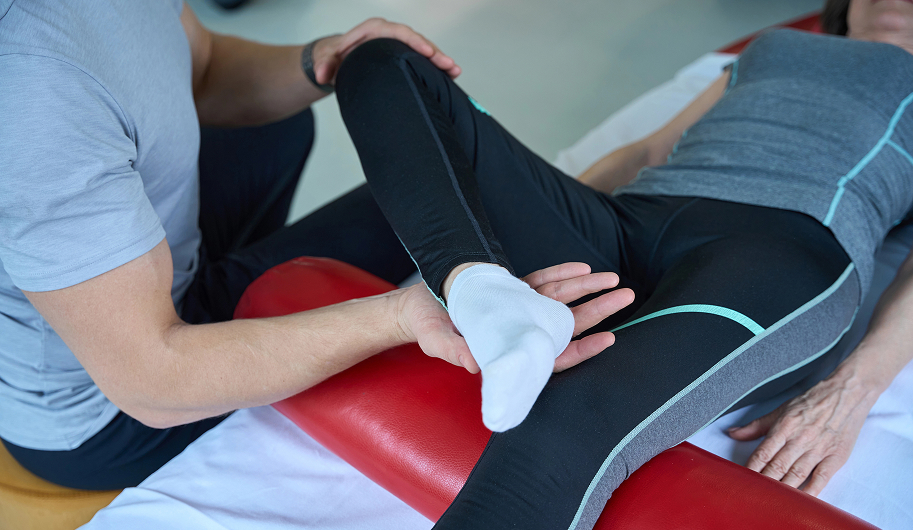
Maintaining long-term hip health isn’t just about avoiding pain—it’s about preserving mobility, balance, and independence as we age. Many people assume that exercise risks damaging fragile joints, but the right low-impact exercises for hip pain actually strengthen muscles, protect cartilage, and reduce stiffness without adding stress. Focusing on gentle, deliberate movement can prevent subtle changes in alignment or muscle weakness that often go unnoticed, helping hips remain stable and functional well into later life.
Understanding Your Hip and Its Needs
The hip is more than a simple ball-and-socket joint—it is a complex structure that relies on muscles, ligaments, and surrounding soft tissue to maintain stability and mobility. Over time, age-related changes, arthritis, or previous injuries can subtly weaken these supporting structures, often before pain appears. Many people overlook how small imbalances in muscle strength or joint alignment increase stress on the hip, leading to stiffness or discomfort. Understanding these underlying needs is key: protecting the joint requires not only motion but also strengthening and stabilizing the muscles that support it. Low-impact movement targets both mobility and strength, helping prevent gradual decline and maintain long-term hip function.
Low-Impact Cardio Exercises
Low-impact cardio exercises are essential for hip health because they improve circulation, maintain joint mobility, and strengthen supporting muscles without causing excessive stress. Activities like walking on even surfaces or using a treadmill with a slight incline engage the hip stabilizers gently. Aquatic exercises, including swimming or water aerobics, reduce weight-bearing stress while providing natural resistance that strengthens muscles. Cycling—especially on a stationary or recumbent bike—supports smooth, controlled motion that protects cartilage and ligaments. These exercises also help maintain cardiovascular health, which is often overlooked in joint care. Regular low-impact cardio promotes subtle improvements in balance, endurance, and joint lubrication, all of which contribute to long-term hip function and stability.
Exercises After Hip Surgery or Replacement
After hip surgery or replacement, movement is crucial—but it must be gentle and deliberate to protect the joint while restoring strength. Many patients assume they should avoid activity, but carefully chosen exercises support recovery, prevent stiffness, and rebuild stability.
- Gentle Range of Motion Exercises
Small, controlled movements such as ankle pumps, heel slides, and seated knee bends help maintain circulation and prevent stiffness without straining the hip. - Strengthening Hips Without Impact
Simple exercises like bridges, mini-squats with support, or side leg raises gradually re-engage muscles that stabilize the joint. These exercises rebuild strength without overloading the implant or healing tissue. - Using Light Resistance or Bands
Low-resistance bands can enhance muscle activation for glutes, hip flexors, and adductors while keeping stress minimal. - Low-Impact Cardio
Short, supervised walking or stationary cycling helps improve endurance and hip function during early recovery stages. - Monitoring Pain and Stability
Patients should pay attention to discomfort or unusual sensations, adjusting exercises accordingly. Early detection of any issues supports safe, long-term mobility after hip surgery.
Flexibility and Mobility Exercises
Maintaining hip flexibility and mobility is just as important as building strength. Gentle hip range of motion exercises—like leg circles, seated marches, or standing hip swings—help keep the joint lubricated and reduce stiffness. Stretching routines targeting the hip flexors, glutes, and hamstrings relieve tightness that can alter gait or increase stress on the joint. Practices such as yoga or Tai Chi combine slow, controlled movement with balance training, improving both flexibility and stability. These exercises are often overlooked in conventional rehabilitation, yet they play a critical role in preventing subtle misalignment and compensatory movement patterns that can lead to pain or injury over time. Regular mobility work keeps the hip joint functional and resilient.
Tips for Success and Safety
Staying active while protecting your hips requires thoughtful planning and awareness. Many people focus on the exercises themselves but overlook the small adjustments that make a routine safe, effective, and sustainable.
- Warm Up Properly
Begin every session with gentle movements, such as ankle circles, marching in place, or light stretching. Warming the muscles increases circulation, reduces stiffness, and prepares the hip joint for activity. - Listen to Your Body
Mild discomfort may be normal, but sharp or sudden pain is a warning sign. Pay attention to sensations in the hip, groin, or lower back, and adjust intensity or technique accordingly. - Prioritize Quality Over Quantity
Performing fewer repetitions with proper form is more beneficial than pushing through larger sets incorrectly. Correct posture and alignment reduce stress on the joint and surrounding muscles. - Use Support When Needed
Chairs, walls, or railings can provide stability for exercises like mini-squats or leg lifts, especially for those with balance concerns or post-surgical recovery. - Combine Strength, Flexibility, and Cardio
A balanced routine ensures the hip is supported from multiple angles. Strengthening stabilizing muscles, maintaining mobility, and improving cardiovascular fitness all contribute to joint longevity. - Choose the Right Environment and Equipment
Even surfaces, supportive footwear, and proper resistance bands or light weights reduce the risk of injury. Avoid high-impact surfaces like concrete when possible. - Track Progress and Adjust Gradually
Incremental improvements help avoid overloading the joint. Monitor endurance, pain levels, and mobility gains to adapt the routine safely over time. - Consult a Professional When Needed
Physical therapists or hip specialists can tailor exercises for individual anatomy, previous injuries, or post-surgical needs, ensuring both effectiveness and safety.
Following these principles makes low-impact exercise not only safer but also more effective, allowing long-term maintenance of hip strength, stability, and mobility.
Conclusion
Maintaining strong, flexible hips doesn’t require high-impact or strenuous activity—carefully chosen low-impact exercises for hip pain can protect joints, improve stability, and preserve mobility for years to come. By combining gentle cardio, targeted strengthening, and mobility work, adults 40–70 can reduce the risk of arthritis progression, prevent injury, and support overall hip health. Consistency, proper form, and attention to subtle changes in your hips are essential for long-term success. Even small, regular sessions can make a significant difference in stability, endurance, and comfort.
If you have existing hip pain, are recovering from surgery, or want to prevent future issues, a personalized plan can help you exercise safely and effectively. To learn more about creating a tailored routine and protecting your hips, visit us or call (415) 530-5330 to schedule an appointment with a hip specialist today.