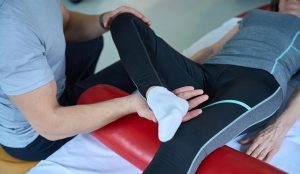

Recovering from hip surgery or injury is often measured in milestones, but the most meaningful signs of healing are subtle and easily overlooked. Beyond swelling or pain, your body communicates progress through balance, muscle activation, and joint awareness—signals that many patients miss. Understanding these less obvious cues can help you gauge whether your hip is truly recovering as expected, rather than relying solely on timelines or generalized recovery charts, empowering you to participate actively in your healing journey.
Understanding Hip Healing
Hip healing is more than just bones knitting back together—it’s a coordinated process involving muscles, tendons, ligaments, and the nervous system. Many patients overlook how the body relearns movement patterns during recovery, which can affect balance, stability, and even walking efficiency. Early healing is guided by tissue repair, while later stages involve remodeling of bone and soft tissue to adapt to stress. Another often-missed aspect is proprioception, the body’s sense of joint position, which gradually returns as the hip regains stability. Recognizing these invisible processes helps patients understand why recovery timelines vary and why progress isn’t always linear, emphasizing the importance of paying attention to functional cues as much as pain or swelling.
Early Signs Your Hip Is Healing Properly
- Pain gradually becomes more manageable
While some discomfort is normal after surgery or injury, a steady decrease in intensity—rather than sudden spikes—often indicates that tissues are repairing as expected. Subtle shifts in pain location can also signal healing progression. - Swelling follows a predictable pattern
Mild swelling that improves throughout the day or week, especially with rest and elevation, is a positive sign. Rapid increases or persistent swelling may suggest complications rather than normal recovery. - Incision changes are normal and progressive
Surgical wounds should gradually close, with redness fading and scabbing forming in a controlled manner. Minor itching or tingling around the incision often accompanies healthy tissue regeneration. - Early improvements in balance and weight-bearing
Even small gains in standing or shifting weight without pain indicate that muscles and joint sensors are adapting. Patients may notice they can slightly increase steps or shift weight with more confidence. - Return of subtle movement awareness
Many patients feel a renewed sense of joint positioning—known as proprioception—before obvious strength returns. This is a key early indicator that the hip is integrating with the nervous system. - Incremental mobility improvements
Gentle bending, rotation, or lifting of the leg without sharp pain suggests early functional recovery, even if full range of motion is not yet possible.
Mid-Stage Recovery Indicators
- Increased strength and endurance
Around weeks 4–12, patients often notice subtle improvements in muscle control and stamina. Activities like standing longer, climbing stairs, or walking short distances with less fatigue indicate that muscles supporting the hip are adapting. - Partial hip replacement recovery progress
For patients who had a partial hip replacement, balance and stability often improve before total hip patients, reflecting the body’s ability to integrate preserved joint structures with the new implant. - Hip stiffness becomes predictable
Mild stiffness is normal and usually occurs after periods of rest. Recognizing that stiffness is temporary and gradually decreasing over days or weeks signals proper tissue remodeling and functional recovery. - Functional improvements in daily tasks
Patients may notice they can get in and out of chairs, car seats, or beds more smoothly. These small, practical gains are often more meaningful indicators of progress than pain alone. - Visible adaptation in gait and movement patterns
Early asymmetries in walking often begin to even out as muscles and the nervous system recalibrate. Improved coordination and confidence in movement suggest that rehabilitation exercises are effective. - Reduced reliance on mobility aids
Slowly using canes or walkers less frequently reflects growing strength, joint stability, and the body’s adaptation to normal weight-bearing activities.
Late-Stage Recovery and Long-Term Healing
- Near-full mobility restoration
By months 3–6, patients often regain most of their hip range of motion. Subtle improvements, such as deeper bending or easier rotation, indicate that muscles, tendons, and ligaments are fully integrating with the repaired joint. - Stability under varied conditions
Walking on uneven surfaces, turning quickly, or carrying light objects without discomfort signals that the hip and surrounding muscles are adapting to real-world demands. - Strength and endurance milestones
Long-term healing is reflected in the ability to perform daily tasks—like climbing stairs, gardening, or light exercise—without fatigue or compensation patterns developing elsewhere in the body. - Proprioception and coordination fully return
Patients may notice a restored sense of joint position and control, allowing more confident movements and reduced risk of falls. - Subtle residual symptoms normalize
Minor stiffness or occasional soreness can persist, but decreasing frequency and intensity over time shows the joint is successfully remodeling. - Transition from rehabilitation to independent activity
Gradually reducing reliance on structured physical therapy exercises and confidently performing routine and recreational activities indicates that recovery is reaching its long-term functional stage. - Hip function recovery after surgery
Ability to resume preferred activities, from walking longer distances to gentle sports, reflects that both structural and functional healing goals have been met.
Red Flags and When to Seek Medical Advice
Even during normal recovery, certain changes in your hip can signal that something needs professional attention. Sudden increases in pain, swelling, or warmth around the joint that don’t improve with rest may indicate infection or inflammation. Unusual redness, drainage, or foul odor from an incision should be addressed promptly. Persistent instability, difficulty bearing weight, or a sudden change in walking patterns can suggest implant issues or delayed healing. Numbness, tingling, or sharp, radiating pain is another warning sign. Paying attention to these subtle yet important signals allows early intervention, helping prevent complications and ensuring that your hip continues to heal safely and effectively.
Supporting Proper Hip Healing at Home
Supporting hip recovery goes beyond following exercises—it involves creating habits that encourage safe, gradual adaptation. Maintaining good posture and avoiding sudden twists or deep bends helps protect the joint during early mobility. Nutrition plays a subtle but powerful role: protein, vitamin D, and calcium support tissue repair and bone remodeling. Sleep and stress management influence inflammation and overall healing, yet are often overlooked. Using assistive devices correctly, pacing daily activity, and incorporating short, frequent movement sessions can enhance circulation and prevent stiffness. Paying attention to small cues, like how your hip feels during routine tasks, allows you to adjust activity safely and supports both structural and functional recovery without overloading the healing joint.
Conclusion
Healing after hip surgery or injury is a gradual, multi-layered process that goes beyond visible swelling or pain. Paying attention to subtle signs—like improved balance, joint awareness, and gradual functional gains—can help you track true progress. Recognizing red flags early and supporting recovery through proper movement, nutrition, and rest allows your hip to regain strength and stability more effectively. Every patient’s journey is unique, and understanding what “normal healing” looks like empowers you to make informed decisions. If you or a loved one are recovering from hip surgery or managing hip pain, call us at (415) 530-5330 or visit our office to schedule an appointment and receive personalized guidance for a safe, successful recovery.